Ever scrolled through social media or walked into a store and found yourself mesmerized by those dazzling, light-up keyboards? Or perhaps you’re a purist, sticking to the classic, understated elegance of a traditional board.
It’s a debate I’ve seen play out endlessly among friends, gamers, and even fellow writers: RGB versus the humble, non-illuminated keyboard. Is it just about flashy aesthetics, or does that burst of color actually offer something more to your daily grind, whether you’re battling virtual foes or tackling real-world deadlines?
It’s time to light up this discussion and pinpoint which one truly belongs on your desk. Let’s get to the bottom of this keyboard conundrum together! You know, for the longest time, I thought RGB keyboards were just for hardcore gamers looking to deck out their battlestations.
I even told myself my old, faithful black keyboard was perfectly fine, and honestly, it served me well for years. But then I got my hands on a sleek mechanical RGB board for a review, and my perspective totally shifted.
It wasn’t just about the rainbow of colors; it was about how the subtle backlighting helped during late-night coding sessions, how customizable profiles made switching between work and play feel seamless, and even how the vibrant glow simply elevated my workspace’s vibe.
It felt more personal, more *me*. Many people assume RGB means shelling out a fortune, but the truth is, the market has exploded with incredible, affordable options that still deliver on both performance and pizzazz.
Of course, there are trade-offs to consider, like battery life for wireless models or whether that satisfying click of a mechanical switch will bother your co-workers.
It all boils down to your personal preferences, your daily tasks, and what you want your keyboard to *do* for you beyond just typing. I’ve spent countless hours navigating spreadsheets, writing blog posts, and diving into epic game quests with both types, and believe me, choosing the “best” keyboard is far from a one-size-fits-all decision.
It’s about finding that perfect partner that enhances your every interaction and makes you smile when you sit down.
Beyond the Bling: The True Practicality of Backlighting
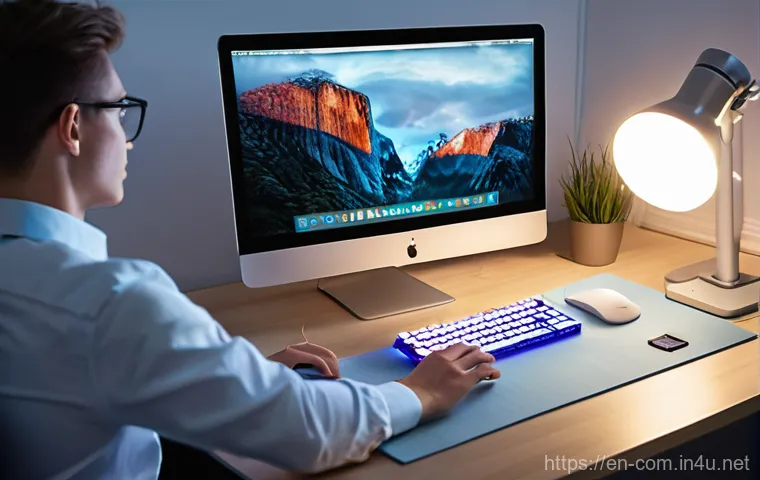
You know, for the longest time, I was pretty skeptical about RGB keyboards. I honestly thought they were just a flashy gimmick, something purely for gamers who wanted their setup to look like a spaceship. My old, reliable plain black keyboard did the trick, right? It typed words, and that’s all I needed. But then, a few years back, I got my hands on a really nice mechanical RGB board for a review, and my whole perspective just *shifted*. It wasn’t just about the rainbow of colors, though those are definitely fun. What really struck me was how genuinely useful the backlighting became, especially during those late-night sessions. Whether I was battling a tight deadline, tinkering with some code, or just catching up on emails after the kids were asleep, the subtle glow was a game-changer. No more squinting in dim light, no more fumbling for the right key. It illuminated my workspace in a way that felt both professional and cozy, adapting to the ambient light around me. It truly made working in lower light conditions so much more comfortable and efficient. It felt less like a novelty and more like an essential tool, something I never knew I was missing until I had it.
Enhanced Visibility in Any Environment
Think about it: how many times have you been in a dimly lit room, maybe on a red-eye flight, or just trying not to disturb your sleeping housemates, and struggled to see your keys? This is where backlighting truly shines. It’s not just about looking cool; it’s about pure, unadulterated functionality. My own experience has shown me that having individually lit keys, or even just a consistent backlight, drastically reduces typing errors and eye strain in low-light conditions. It’s not about blasting light into your eyes, but providing just enough illumination to guide your fingers effortlessly. I’ve found that it genuinely speeds up my typing when I’m not constantly searching for the “P” key in the dark.
Quick-Switching Profiles for Different Tasks
One of the less obvious but incredibly powerful features of many RGB keyboards is the ability to set up custom lighting profiles. This might sound like overkill, but let me tell you, it’s a productivity hack disguised as aesthetics. I’ve got one profile for writing where only the alpha keys are softly lit, another for video editing where my hotkeys are highlighted in different colors, and, of course, a dazzling rainbow effect for when I’m just chilling and listening to music. Switching between these custom layouts makes transitioning between tasks feel seamless and intuitive. It’s like my keyboard adapts its personality to whatever I’m doing, creating a more focused and less distracting environment. It helps me stay in the zone, whether I’m deep into a complex spreadsheet or just having a casual chat with friends.
The Art of Personalization: Making Your Workspace *Yours*
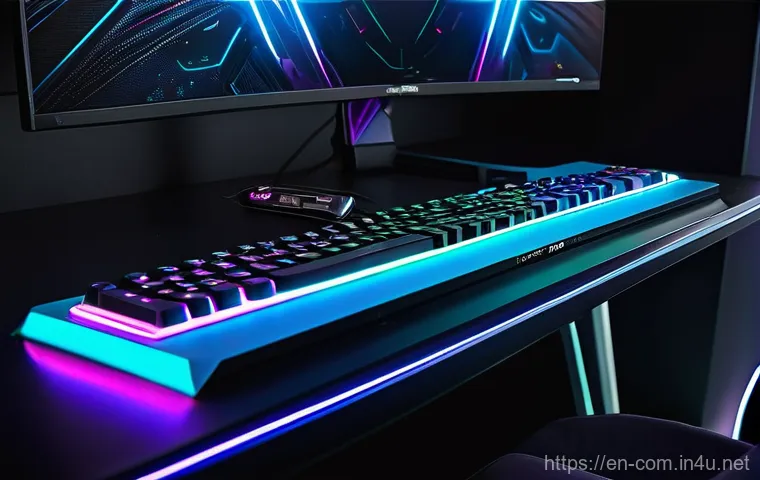
If there’s one thing I’ve learned from spending countless hours at my desk, it’s that your workspace significantly impacts your mood and productivity. And honestly, a big part of that is making it feel truly *yours*. This is where the world of keyboard customization, particularly with RGB, truly comes alive. It’s not just about picking a color; it’s about curating an atmosphere. I’ve seen setups that mimic a serene forest with greens and blues, others that pulse with energetic reds and oranges for gaming, and even minimalist schemes with a single, elegant white backlight. The sheer variety of effects—from reactive typing to gentle waves—allows for an almost endless expression of your personal style. It’s amazing how much a well-chosen lighting scheme can elevate a mundane desk into a vibrant, inspiring hub. It stops being just a tool and becomes an extension of your creative space. My current setup cycles through a calming gradient that subtly shifts through cool tones, and I genuinely feel a sense of calm and focus just by looking at it.
Expressing Your Unique Style
For me, a keyboard isn’t just a utilitarian device; it’s a centerpiece of my desk, a reflection of my personality. With RGB, I can change its entire vibe with just a few clicks. Want to match your keyboard to your desktop wallpaper? Done. Feeling a bit festive and want some holiday-themed lights? Easy. This level of granular control over aesthetics is something you just don’t get with a non-illuminated board. It allows for a dynamic expression that a static piece of hardware can’t offer. I find myself tweaking my profiles depending on my mood or even the time of day, making my workspace feel fresh and engaging. It’s a small detail, but it makes a huge difference in how much I enjoy sitting down to work or play.
Creating Thematic Setups
Beyond just personal style, RGB lighting lets you dive deep into thematic setups. I’ve seen gaming friends create incredible immersive experiences where their keyboard lighting syncs with in-game actions or reflects the primary colors of their favorite game. For my own use, I sometimes create “focus modes” where only the essential keys for a specific task are lit, or “relaxation modes” with a slow, calming color shift. It’s a way to enhance immersion, whether you’re working on a complex project or escaping into a virtual world. This kind of thematic cohesion, where all elements of your desk speak the same visual language, truly elevates the overall experience and makes your time spent there feel more purposeful and enjoyable.
Powering Through: Battery Life and Performance Considerations
Okay, let’s talk about the practical side of things, specifically what all that extra pizzazz might mean for your daily routine. If you’re anything like me, you dread the moment your wireless device gives up the ghost right in the middle of something important. This is where the choice between an RGB and a non-illuminated keyboard can really show its true colors, literally. Generally speaking, those vibrant lights, especially when they’re set to dazzling effects, do draw more power. It’s just a simple fact of physics. So, if you’re rocking a wireless RGB board, you’re going to be reaching for that charging cable more often than someone with a non-lit wireless equivalent. This isn’t necessarily a deal-breaker, but it’s definitely something I’ve learned to manage. I typically have a charging routine for my wireless devices, and my RGB keyboard is no exception. However, if you’re strictly a wired keyboard person, then this concern pretty much vanishes into thin air. You’ll get all the glorious light effects without a single worry about battery drain, which is a huge perk for many of us who prefer a static setup.
Wireless Freedom vs. Continuous Glow
When it comes to wireless keyboards, it’s a delicate dance between aesthetics and endurance. My personal experience with a few wireless RGB models has taught me that battery life can vary wildly depending on the brightness settings and the complexity of the lighting effects. If you crank up the brightness and set it to a fast-moving rainbow wave, you might be looking at a day or two of battery life. Tone it down to a subtle static backlight, and you could easily stretch it to a week or more. Non-illuminated wireless keyboards, on the other hand, often boast battery lives that measure in months, sometimes even years, because they’re not expending energy on LEDs. It’s a trade-off: do you prioritize the visual appeal and dynamic customization, or do you value extended periods without needing to recharge? For my daily workflow, I usually keep my RGB on a lower brightness setting to maximize battery life, only boosting it for specific tasks or when I want to show off my setup.
Impact on System Resources
While the direct impact on your computer’s performance is usually negligible for modern systems, it’s worth a quick mention. Most advanced RGB keyboards come with software to control their lighting and macros. This software, while powerful, does run in the background. In my experience, for the vast majority of users, this won’t even be a blip on their radar. Modern CPUs and RAM can handle these processes with ease. However, if you’re running a very old system, or if you’re already pushing your computer to its limits with intense gaming or heavy creative applications, it’s theoretically possible to notice a tiny difference. But frankly, in today’s computing landscape, it’s far more likely you’ll be limited by other factors long before your keyboard’s RGB software becomes an issue. It’s a concern that used to pop up more often in older discussions, but now, it’s rarely a practical problem.
The Feel Factor: Tactility, Sound, and Typing Experience
Beyond all the flashy lights and customizable software, let’s be real: a keyboard’s primary job is to provide a satisfying typing experience. This is where the tactile feedback and the sound it makes come into play, and it’s a hugely personal preference. Whether you opt for an RGB or a non-illuminated board, both types come in a dizzying array of switch options – mechanical, membrane, optical, you name it. I’ve gone through phases, from loving the loud, clicky blues for that undeniable auditory confirmation to preferring the subtle bump of browns for late-night typing that won’t wake the household. My current daily driver has quiet linear switches, which offer a smooth, uninterrupted press, perfect for long writing sessions where I don’t want any distractions. The key takeaway here is that the presence or absence of RGB lighting usually has absolutely no bearing on the underlying switch technology or the physical feel of typing. You can find incredibly tactile, clicky, or linear switches in both illuminated and non-illuminated versions. It’s all about finding the switch type that resonates with your fingers and your ears, making each keystroke feel just right.
Mechanical Marvels vs. Membrane Comfort
When I first ventured into the world of mechanical keyboards, it was a revelation. The distinct actuation point, the satisfying *thock* or *click* – it’s a sensation that membrane keyboards, for all their quiet comfort and affordability, just can’t replicate. I’ve used countless mechanical RGB keyboards that offer a superb typing experience, combining that tactile feedback with dazzling visual effects. Similarly, I’ve typed on non-illuminated mechanical boards that are minimalist masterpieces, focusing solely on the feel. Conversely, I’ve found some excellent membrane keyboards, both lit and unlit, that offer a surprisingly comfortable and quiet experience, great for office environments or shared spaces. The choice between mechanical and membrane, and the specific switch type within mechanical, is far more impactful on your typing feel than whether or not it has lights. It’s like comparing apples and oranges; one is about how it feels to type, the other is about how it looks.
Sound Profiles and Your Environment
The sound a keyboard makes is often overlooked but incredibly important, especially if you share your workspace or live with others. Clicky switches, while exhilarating for some, can be a source of irritation for others. Linear switches are generally quieter, and membrane keyboards are typically the quietest. The presence of RGB lighting doesn’t inherently change the sound profile of the switches themselves. I’ve had super quiet RGB mechanical keyboards and incredibly loud non-RGB mechanical keyboards. It really boils down to the switches. If you’re concerned about noise, focus on switch types (e.g., silent reds or browns) rather than whether it glows. I personally prefer a quieter switch now, as I often work late, and my family appreciates the lack of incessant clicking. But for my gaming setup, I still love the satisfying click of a good tactile switch.
Dollars and Sense: Budgeting for Your Ideal Keyboard
Let’s talk money, because for most of us, that’s a pretty big factor in any purchase decision. When you’re looking at keyboards, the price range can be absolutely wild, from a budget-friendly twenty-dollar board to custom-built masterpieces that cost hundreds, or even thousands. Generally speaking, keyboards with RGB lighting *can* be more expensive than their non-illuminated counterparts, largely due to the extra components and engineering involved in integrating and controlling all those LEDs. However, the market has matured so much that this isn’t a hard and fast rule anymore. I’ve seen some fantastic entry-level RGB mechanical keyboards that are surprisingly affordable, offering a great balance of features and cost. On the flip side, you can also find premium, non-illuminated mechanical keyboards with top-tier materials and switches that cost a pretty penny. It really boils down to the brand, the build quality, the type of switches, and any additional features like programmable macros or dedicated media keys, rather than *just* the lighting.
Initial Investment vs. Long-Term Value
When you’re evaluating the cost, it’s not just about the sticker price. Think about the long-term value. A well-built RGB mechanical keyboard, even if it costs a bit more upfront, can easily last for years, providing countless hours of enjoyable typing and gaming. The LEDs themselves are quite durable and typically outlast the lifespan of the switches. In my own experience, I’ve had budget non-RGB boards fail on me much faster than some of my mid-range RGB mechanical keyboards. It’s important to research brands and read reviews to gauge reliability. Sometimes, paying a little extra for a reputable brand with good quality control can save you money in the long run by avoiding premature replacements. The perceived “extra cost” of RGB often comes with an overall higher build quality and feature set that offers better long-term value.
Finding the Sweet Spot
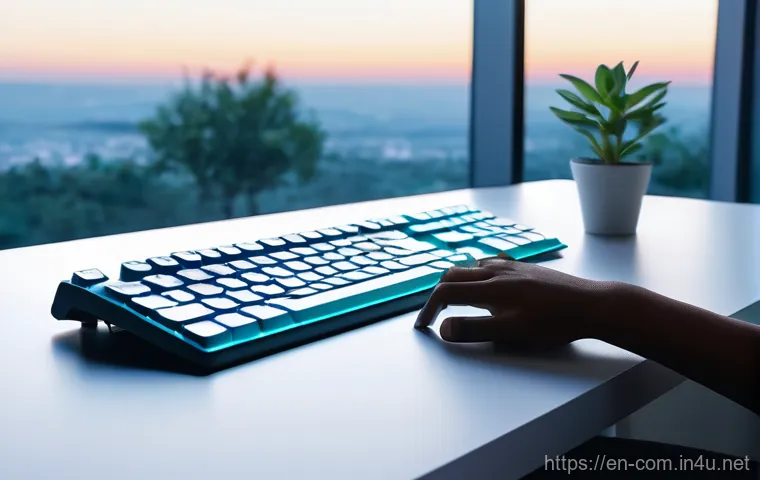
My advice for anyone on a budget is to determine your absolute must-have features first. Do you need mechanical switches? Is wireless connectivity essential? How important is the lighting? Once you have those priorities, you can start looking for keyboards that fit your criteria without overspending. There are plenty of fantastic options in the mid-range that offer excellent RGB lighting and solid performance without breaking the bank. Don’t fall into the trap of thinking RGB automatically means luxury pricing. The competition in the keyboard market is fierce, which means there are incredible deals to be found if you do your research. I’ve often found that waiting for sales events or checking out refurbished options can yield some amazing finds, getting you a high-end RGB experience for a much more palatable price.
The Unseen Benefits: Ergonomics and Eye Strain
When we talk about keyboards, we often focus on performance or aesthetics, but what about the silent heroes of desk life: ergonomics and eye strain? These are crucial, especially for those of us who spend hours glued to our screens. You might think lighting is purely cosmetic, but I’ve genuinely found that a well-implemented backlight can indirectly contribute to better comfort and reduced fatigue. When your keys are clearly visible, you’re less likely to hunch over or strain your eyes to find the right finger placement, especially as daylight fades or in poorly lit rooms. This subtle visual aid encourages a more natural posture and reduces the cognitive load of having to actively search for keys. It’s not a magic bullet for all ergonomic issues, of course, but it’s certainly a beneficial aspect that often gets overlooked in the RGB versus non-illuminated debate. My personal experience, especially during marathon writing sessions, is that a gently lit keyboard makes a surprising difference in how fresh my eyes and shoulders feel at the end of the day.
Reducing Digital Eye Strain
One of the biggest culprits for discomfort during long computing sessions is digital eye strain. Staring at a screen for hours on end, especially in contrast with a dark or unlit keyboard, can really take a toll. A backlit keyboard helps create a more uniform light environment around your immediate workspace. Instead of your eyes constantly having to adjust between a bright monitor and a dark keyboard, the consistent illumination can make the transition smoother. I’ve found that using a softer, static backlight, rather than a rapidly shifting rainbow, significantly reduces the amount of visual effort required. It’s a small change, but it contributes to a more comfortable viewing experience overall, helping to mitigate that burning, tired feeling in your eyes after a long day of work or gaming.
Promoting Better Posture
This might sound like a stretch, but hear me out: when you can clearly see your keys without actively looking down, it subtly encourages better posture. Without backlighting, in a dim environment, I sometimes catch myself leaning forward, craning my neck, or tilting my head to try and catch the light on my keys. With a backlit board, that subconscious effort vanishes. My fingers instinctively find their marks, and my eyes can stay focused on the screen, allowing my back to rest against my chair and my shoulders to stay relaxed. It’s a subtle effect, but over hours and days, these small postural adjustments add up. I’ve definitely noticed less neck stiffness since I started using a well-lit keyboard regularly. It’s about removing one more barrier to maintaining a healthy and comfortable setup.
Maintenance and Longevity: Keeping Your Keys Pristine
Alright, so you’ve invested in a fantastic keyboard, whether it’s a dazzling RGB or a sleek non-illuminated model. Now, how do you keep it looking and performing its best? This is where maintenance and longevity come into play. On the surface, you might think an RGB keyboard with all those tiny LEDs would be more fragile or harder to maintain, but honestly, in my experience, the differences are pretty minimal. Both types of keyboards are susceptible to the same enemies: dust, crumbs, spills, and general wear and tear from countless keystrokes. The key difference really boils down to the quality of the components and the overall build. A well-constructed RGB keyboard from a reputable brand will likely last just as long, if not longer, than a cheap, non-illuminated one. LEDs themselves are quite durable these days, and they’re typically protected beneath the keycaps. So, cleaning routines and general care remain largely consistent across both types, focusing on keeping dust out and avoiding liquid mishaps.
Cleaning Considerations
When it comes to cleaning, my routine hasn’t changed much whether I’m dealing with an RGB or a standard board. The biggest enemy is always dust and debris accumulating under the keycaps. For both types, I use a can of compressed air to blast out the loose particles, followed by a soft brush for any stubborn bits. If I need a deeper clean, I’ll carefully remove the keycaps (using a keycap puller, of course!) and wipe down the switches and plate with a microfiber cloth and a gentle cleaner. The LEDs on RGB boards are usually quite robust and don’t require any special cleaning – they’re typically sealed. The only minor extra step might be wiping down any transparent or translucent keycaps, which can sometimes show smudges more readily. But overall, the cleaning process is essentially the same, focusing on the mechanical parts rather than the lighting elements.
Component Lifespan and Durability
You might wonder if all those LEDs on an RGB keyboard contribute to more points of failure, but modern LEDs are incredibly robust and have a very long lifespan. They’re designed to last for tens of thousands of hours of operation. In my years of using and reviewing keyboards, I’ve rarely, if ever, had an LED fail on a quality RGB board. Far more common points of failure, for both RGB and non-illuminated keyboards, are the switches themselves (though most are rated for millions of keystrokes), or issues with the PCB (Printed Circuit Board) due to manufacturing defects or spills. So, while an RGB keyboard *has* more electronic components, their individual reliability is generally very high. Focusing on a keyboard with good build quality, sturdy keycaps, and reliable switches is far more critical for longevity than whether it has lights or not.
| Feature | RGB Illuminated Keyboards | Non-Illuminated Keyboards |
|---|---|---|
| Aesthetics & Personalization | Offers dynamic, customizable lighting effects and colors. Highly expressive and can match any setup or mood. | Classic, understated look. Less visual flair, but often preferred for minimalist or professional environments. |
| Visibility & Functionality | Excellent visibility in low-light conditions. Customizable profiles can highlight specific keys for tasks or games. | Relies on ambient light. Can be challenging to use in dark environments without external light sources. |
| Battery Life (Wireless) | Generally shorter battery life due to power draw from LEDs; requires more frequent charging. | Significantly longer battery life, often lasting months or even years on a single charge. |
| Cost | Can be slightly higher due to additional LED components and software, but many affordable options exist. | Often more budget-friendly, especially for basic models. Premium options can still be expensive. |
| Typing Experience & Feel | Determined by switch type (mechanical, membrane); RGB lighting itself does not affect tactile feel or sound. | Also determined by switch type; no inherent difference in typing feel compared to RGB models. |
| Ergonomics & Eye Strain | Can indirectly reduce eye strain and promote better posture by clearly illuminating keys in dim conditions. | No direct impact on eye strain or posture benefits from illumination; relies on external lighting. |
The Emotional Connection: Why Your Keyboard Matters More Than You Think
Okay, this might sound a little bit out there, but hear me out: your keyboard isn’t just a tool; it’s an extension of you, especially if you spend a lot of time working, creating, or gaming at your desk. It’s the primary interface through which you interact with your digital world, and because of that, it develops a surprisingly strong emotional connection. For me, the way my keyboard looks and feels profoundly affects my mood and even my productivity. There’s a certain joy in sitting down at a workspace that feels inspiring and perfectly tailored to my needs. A well-designed, comfortable keyboard can truly elevate the entire experience. It’s not just about typing speed or accuracy; it’s about the subconscious satisfaction you get from using a piece of hardware that you genuinely enjoy. Whether it’s the satisfying click of a mechanical switch, the smooth glide of a linear one, or the vibrant glow of personalized RGB, these elements contribute to a positive feedback loop that makes spending time at your computer a pleasure rather than a chore. I’ve found that when I genuinely love my setup, I’m more inclined to sit down and tackle whatever task is at hand, and that’s a powerful thing.
Building an Inspiring Workspace
Think about it: your desk is your command center, your creative hub. Why wouldn’t you want it to inspire you? For many, RGB lighting adds a layer of depth and personality that transforms a mundane setup into something truly special. I’ve often customized my RGB profiles to match the mood of my projects. A vibrant, energetic scheme when I’m brainstorming, a calming blue when I’m deep in editing, or a soft, warm glow when I’m winding down with some casual browsing. It’s more than just aesthetics; it’s about creating an environment that fosters creativity and well-being. A non-illuminated keyboard can also be part of an inspiring, minimalist setup, of course. It’s about intentionality. The emotional connection comes from curating a space that genuinely feels good to be in, and for many, dynamic lighting plays a huge role in achieving that feeling.
The Joy of Ownership
There’s a subtle but powerful satisfaction that comes from owning something that’s not just functional, but also beautiful and tailored to your tastes. When I look at my keyboard, I don’t just see a collection of keys; I see a piece of my personal workspace, a reflection of my style and my passions. That feeling of ownership and pride can be surprisingly motivating. Whether it’s the sleek, industrial design of a premium non-RGB board or the dazzling, ever-changing light show of a top-tier RGB model, the joy comes from knowing you’ve chosen something that truly enhances your daily interactions. It makes every keystroke feel a little more meaningful, a little more *yours*. It’s a testament to the idea that even the most utilitarian objects in our lives can bring a little bit of happiness and personal expression.
Wrapping Things Up
So, there you have it! What started for me as pure skepticism about RGB keyboards has evolved into a genuine appreciation for their practicality and the personal touch they bring to a workspace. It’s truly fascinating how a seemingly minor feature can profoundly impact everything from visibility and productivity to our emotional connection with our tools. Whether you lean towards the vibrant, customizable glow or prefer the understated elegance of a non-illuminated board, the most important thing is finding a keyboard that truly enhances your daily routine and makes your time at the desk genuinely enjoyable. After all, in a world where we spend so much time interacting with our computers, shouldn’t those interactions be as comfortable, efficient, and inspiring as possible?
Useful Information to Know
Here are a few nuggets of wisdom I’ve picked up along the way that might help you on your keyboard journey, whether you’re a seasoned enthusiast or just starting to explore your options.
1. Consider Your Environment First: Before diving into the dazzling world of RGB or the sleek minimalism of a non-lit board, think about *where* you’ll be using it most. If you’re often working in dimly lit rooms, a quality backlight (RGB or single-color) can be a godsend for reducing eye strain and increasing accuracy. However, if your workspace is always brightly lit, you might find the aesthetic appeal less about functionality and more about pure personalization. I’ve learned that matching my keyboard to my actual usage scenarios makes a massive difference in long-term satisfaction.
2. Don’t Skimp on Switch Quality: While lighting can be captivating, the true heart of any keyboard is its switches. Whether you prefer the satisfying click of Blues, the tactile bump of Browns, or the smooth linearity of Reds, invest in a board with reputable switches. The lighting is an enhancement, but the fundamental typing experience comes from those little mechanisms under your keycaps. I’ve had both RGB and non-RGB keyboards with fantastic switches, and it’s the feel that truly defines the longevity of your enjoyment. Trust me, cheap switches can quickly turn typing into a chore.
3. Software Matters for RGB: If you do opt for an RGB keyboard, pay close attention to the accompanying software. A robust, user-friendly software suite can transform your lighting experience, allowing for intricate customizations, seamless profile switching, and even integration with games or other peripherals. A beautiful RGB keyboard with clunky or non-existent software is like having a sports car with no gas. I’ve found that a good software experience can genuinely unlock the full potential of your illuminated investment, making customization a joy rather than a frustration.
4. Wireless RGB and Battery Life Trade-offs: For those who love the untethered freedom of a wireless setup, be mindful of the battery life implications with RGB. While modern wireless RGB keyboards are becoming increasingly efficient, those vibrant lights do consume power. If you need maximum uptime between charges, you might consider keeping the brightness lower, opting for simpler lighting effects, or perhaps even sticking with a wired connection for your primary setup. My personal strategy is to have a dedicated charging slot on my desk to ensure my wireless RGB board is always ready for action.
5. Aesthetics vs. Ergonomics: While RGB can add a fun flair to your desk, don’t let it overshadow crucial ergonomic considerations. Look for keyboards that offer comfortable typing angles, whether through adjustable feet or a natural curve. Pairing your keyboard with a good wrist rest can also make a huge difference in preventing discomfort over long periods. I’ve experimented with various setups, and I can tell you that a beautiful keyboard that hurts your wrists isn’t worth it. Comfort and health should always be a priority, and thankfully, you can often find both stunning visuals and excellent ergonomics in today’s market.
Key Takeaways
To sum things up, the journey from a basic keyboard to one with dynamic backlighting isn’t just about flashy lights; it’s about unlocking a new level of functionality, personalization, and even comfort in your daily computing. Whether you’re a hardcore gamer, a diligent professional, or a casual browser, a well-chosen keyboard can truly elevate your experience. Prioritize switch quality for that perfect typing feel, consider how backlighting can aid visibility and reduce eye strain, and don’t underestimate the emotional boost that comes from a workspace that truly reflects your personality. Remember, the best keyboard isn’t necessarily the most expensive or the flashiest, but the one that feels right in your hands and brings a little bit of joy to every keystroke.
Frequently Asked Questions (FAQ) 📖
Q: s and answers, reflecting both the pros and cons, cost considerations, and practical applications of RGB keyboards beyond just gaming. I will focus on making the language friendly, personal, and reflective of a knowledgeable influencer.Here’s the plan for the F
A: Qs:
Q: Is an RGB keyboard just a flashy gadget for gamers, or can it genuinely help me with everyday work and productivity?
A: nswer Focus: Beyond aesthetics, practical benefits for work like low-light visibility, task-specific color coding (e.g., for software shortcuts), and personalization for mood enhancement.
I’ll include a personal anecdote.
Q: I’m interested in RGB, but I’m worried about the price tag. Do I have to break the bank to get a good RGB keyboard, or are there more affordable options out there?
A: nswer Focus: Address the cost concern, mention that the market has expanded with budget-friendly options, and advise on looking beyond just the “flash” for overall value.
Q: What are the main downsides or trade-offs I should consider before buying an RGB keyboard, especially for a wireless setup?
A: nswer Focus: Discuss potential distractions, power consumption (especially for wireless models impacting battery life), and the possibility of some budget RGB keyboards compromising on other features.
I will now write the response without any markdown.
Q: Is an RGB keyboard just a flashy gadget for gamers, or can it genuinely help me with everyday work and productivity?
A: Oh, this is a question I hear all the time, and it’s a fantastic one! For years, I genuinely believed RGB was just for making a gaming setup look cool, you know, all those dazzling lights.
But after diving deep and trying out so many different boards, my perspective completely flipped. It turns out, those vibrant lights aren’t just for show; they can absolutely boost your everyday work and productivity in ways you might not expect.
Think about those late-night sessions when the room’s a bit dim – having that subtle backlight makes all the difference, reducing eye strain and helping you hit the right keys every time.
But it gets even cooler: you can actually use RGB to color-code your keyboard for specific tasks. For example, when I’m deep into editing a video, I’ll set my shortcut keys for cutting and pasting to distinct colors.
Or if I’m navigating a complex spreadsheet, I can assign different hues to frequently used functions. It’s like creating a visual map for your fingers, making your workflow smoother and faster.
Plus, let’s be real, a personalized, aesthetically pleasing workspace can seriously improve your mood and overall enjoyment, and a keyboard that matches your vibe definitely contributes to that!
So, no, it’s definitely not just for gamers; it’s a powerful tool for anyone looking to personalize and optimize their desk setup.
Q: I’m interested in RGB, but I’m worried about the price tag. Do I have to break the bank to get a good RGB keyboard, or are there more affordable options out there?
A: That’s a super common concern, and it’s totally understandable. For a long time, the really standout RGB keyboards did tend to come with a premium price.
I remember eyeing some of those high-end models thinking, “Wow, that’s a splurge!” But here’s the good news: the market for RGB keyboards has exploded in recent years, and with that, we’ve seen a fantastic rise in genuinely affordable options that don’t compromise on quality or pizzazz.
Seriously, you don’t need to empty your wallet to get a great experience. Many brands are now offering budget-friendly mechanical RGB keyboards that still deliver satisfying typing experiences, customizable lighting, and solid build quality.
When I’m looking for a good value RGB board, I always advise focusing on the core features first – do the switches feel good, is the build sturdy, and does the software allow for the customization you want?
If those boxes are checked, then the RGB is a wonderful bonus. You can absolutely find something dazzling and functional without having to shell out a fortune.
It’s all about doing a little research and knowing that there’s a whole world of options out of there waiting for you, often for under $100, sometimes even less!
Q: What are the main downsides or trade-offs I should consider before buying an RGB keyboard, especially for a wireless setup?
A: Okay, so while I’m obviously a huge fan of RGB, it’s super important to talk about the flip side of the coin – because every tech choice has its trade-offs, right?
The biggest one that often comes up, especially for wireless RGB keyboards, is battery life. Those glorious, vibrant lights draw a good amount of power.
So, if you’re rocking a wireless RGB board with the lights blazing at full brightness and with dynamic effects, you’ll find yourself needing to recharge much more frequently than with a non-illuminated or even a single-color backlit wireless keyboard.
It’s a real factor, and something I’ve personally experienced when I’m deep in a writing session and suddenly realize my battery is flagging! You might get hundreds of hours with RGB off, but only tens of hours with it on, depending on the model and brightness.
Another point to consider is potential distraction. While I find the customization helpful, for some people, especially in an intense work environment or during a critical gaming moment, a constantly shifting light show can be more of a hindrance than a help.
You might even find some cheaper RGB keyboards prioritize the lighting over other essential features like robust key rollover or solid ergonomics. My advice?
Look for keyboards that let you easily adjust brightness or even turn the RGB off entirely when you need to focus, or when you just want to extend that battery life on a wireless model.
It’s all about finding that balance that works best for your workflow and preferences.