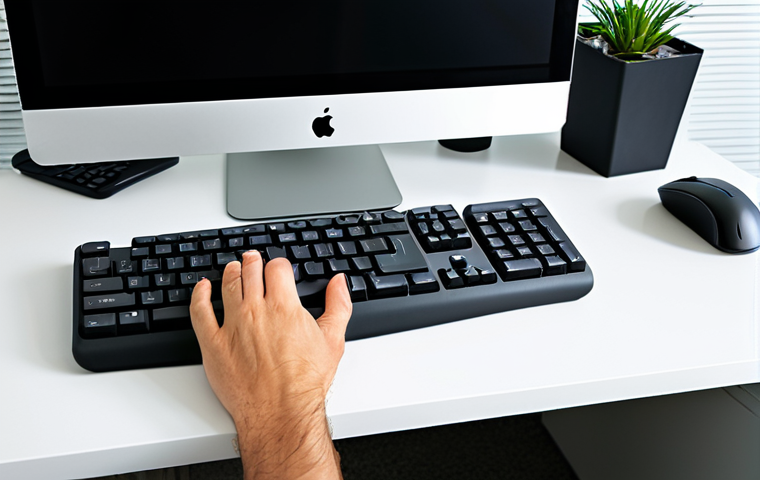
The keyboard, a seemingly simple tool, is actually a complex piece of tech with different layouts designed for various languages and uses. I’ve personally struggled when switching between my laptop’s QWERTY and my phone’s auto-correcting mess.
It made me think, why are there so many different layouts? From the familiar QWERTY to the ergonomic variations, each aims to optimize typing speed and comfort.
Considering the rise of specialized keyboards for gaming and coding, the importance of understanding keyboard layouts is only growing. The future might even bring AI-powered, dynamically adapting keyboards.
Let’s dive deep and accurately uncover the details in the article below!
Alright, buckle up, let’s get this blog post cranking!
Decoding the QWERTY Enigma: Why This Layout Still Dominates

So, QWERTY. We all know it, most of us use it daily, but have you ever stopped to wonder why? I remember the first time I really questioned it. I was struggling to reach a specific symbol while coding, and it hit me – this layout is kinda inefficient. The story goes that QWERTY was designed to prevent typewriter keys from jamming by placing commonly used letters further apart. But with modern computers, that’s obviously not an issue anymore. Yet, QWERTY persists. Why? Well, habit plays a massive role. We’ve all learned to type on it, and retraining ourselves would be a monumental task. Plus, the sheer number of QWERTY keyboards out there means it’s become the de facto standard. It’s like trying to switch everyone from driving on the right side of the road to the left – possible, but incredibly disruptive.
The Legacy of Christopher Latham Sholes
Christopher Latham Sholes, the man behind the QWERTY layout, is a bit of a controversial figure in keyboard history. Some say he deliberately designed it to slow typists down! Whether that’s true or not, his invention had a profound impact. It’s fascinating to think about how a design born from the limitations of 19th-century technology continues to shape how we interact with computers today.
QWERTY’s Enduring Appeal
Despite its inefficiencies, QWERTY’s ubiquity is its greatest strength. Every operating system supports it. Every language has a QWERTY adaptation. Every programmer assumes you’re using it. The network effects are just too strong to overcome, at least for the moment. It’s a keyboard layout that just works, and that is a big reason why it has been difficult to displace even by much more efficient layouts.
Beyond QWERTY: Exploring Alternative Keyboard Layouts
Okay, QWERTY is the king, but it’s not the only game in town. There’s a whole world of alternative layouts designed for speed, ergonomics, and even one-handed typing. I’ve dabbled with a few of these myself, and the learning curve can be steep, but the potential rewards are definitely intriguing. Imagine reducing your hand strain or significantly boosting your typing speed. It’s like unlocking a new level of productivity.
The Dvorak Difference: Speed and Comfort
Dvorak is probably the most well-known QWERTY alternative. Its designers claim it significantly reduces finger travel and promotes faster, more comfortable typing. I once met a programmer who swore by Dvorak, claiming it had cured his carpal tunnel syndrome. Whether that’s true or not, the testimonials are compelling. It positions the most frequently used letters in the home row, making them easily accessible.
Colemak: A Modern QWERTY Modification
Colemak takes a different approach, modifying QWERTY instead of completely reinventing it. This makes the transition easier for existing QWERTY typists. It retains the placement of common shortcuts like Ctrl+Z and Ctrl+C while optimizing the placement of other letters for speed and comfort. If you’re thinking of switching, Colemak is often recommended as a less drastic, more practical alternative. I’ve considered making the switch myself – the thought of keeping those familiar shortcuts is really appealing!
Gaming Keyboards: More Than Just Fancy Lights
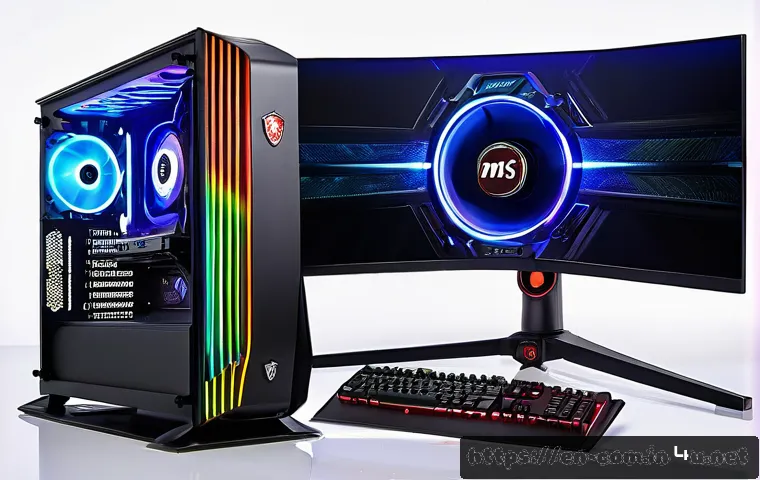
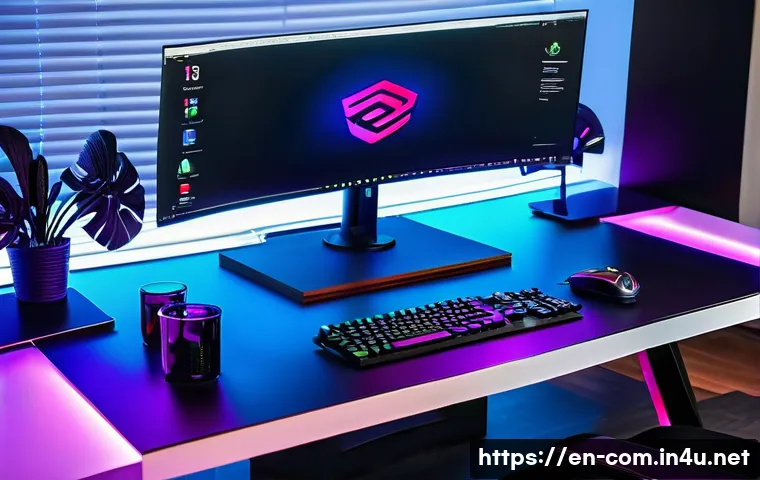
Gaming keyboards have evolved far beyond basic input devices. They’re now highly specialized tools designed to give gamers a competitive edge. I remember when I first saw a mechanical keyboard with customizable RGB lighting. I thought it was pure gimmick, but after trying it, I understood the appeal. The tactile feedback, the responsiveness – it genuinely enhances the gaming experience.
Mechanical Switches: The Heart of a Gaming Keyboard
Mechanical switches are the defining feature of most gaming keyboards. Unlike membrane keyboards, each key has its own independent switch, providing a more precise and tactile feel. Cherry MX switches are the most well-known, but there are many other brands and types, each with its own unique characteristics. Some are clicky and loud, others are silent and linear. It’s all about personal preference and finding the switch that suits your gaming style.
Customization Options: Macros, Lighting, and More
Gaming keyboards offer extensive customization options, including programmable macros, customizable RGB lighting, and adjustable actuation points. Macros allow you to execute complex commands with a single key press, giving you a significant advantage in fast-paced games. Customizable lighting not only looks cool but can also be used to highlight important keys or indicate different game modes. The level of control these keyboards offer is truly remarkable.
The Ergonomics of Typing: Preventing Strain and Injury
Let’s get real: spending hours typing every day can take a toll on your body. As someone who has battled wrist pain, I can attest to the importance of proper ergonomics. Choosing the right keyboard and setting up your workspace correctly can make a huge difference in preventing strain and injury. It’s not just about comfort; it’s about protecting your long-term health.
Split Keyboards: A More Natural Typing Position
Split keyboards separate the keys into two halves, allowing you to position your hands in a more natural, relaxed position. This reduces strain on your wrists and forearms. Some split keyboards are even adjustable, allowing you to customize the angle and spacing to perfectly fit your body. I’ve tried a few split keyboards, and while they take some getting used to, the comfort benefits are undeniable.
Wrist Rests and Keyboard Trays: Supporting Your Wrists
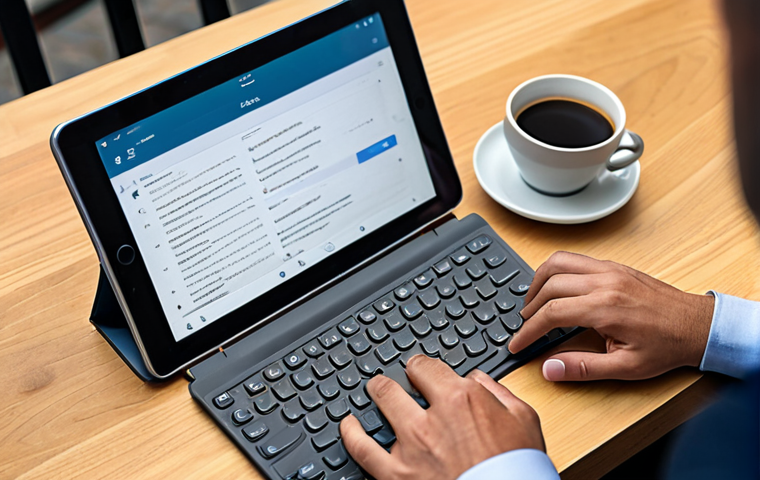
Wrist rests and keyboard trays provide additional support for your wrists, reducing strain and promoting better posture. Wrist rests should be soft and supportive, while keyboard trays should be adjustable to allow you to position the keyboard at the optimal height and angle. These simple accessories can make a big difference in your comfort and well-being, especially if you spend a lot of time typing.
Mobile Keyboards: Typing on the Go
With the rise of smartphones and tablets, mobile keyboards have become increasingly popular. Whether you’re a writer, a student, or just someone who prefers typing on a physical keyboard, a mobile keyboard can significantly improve your productivity on the go. I always bring a small foldable keyboard with me when I travel – it transforms my tablet into a surprisingly capable writing machine.
Bluetooth Keyboards: Wireless Convenience
Bluetooth keyboards offer wireless convenience, allowing you to connect to your smartphone, tablet, or laptop without the hassle of cables. They come in a variety of sizes and styles, from ultra-portable foldable keyboards to full-size desktop keyboards. Battery life is also a key consideration – look for a keyboard that can last for weeks or even months on a single charge.
Foldable Keyboards: Portability Redefined
Foldable keyboards are the ultimate in portability, folding up into a compact size that easily fits in your bag or pocket. They’re perfect for travelers, students, and anyone who needs to type on the go. However, the small size can sometimes compromise comfort and typing speed. It’s a trade-off between portability and usability.
Keyboard Technology: What’s Next?
Keyboard technology is constantly evolving, with new innovations emerging all the time. From AI-powered keyboards that predict your next word to holographic keyboards that project onto any surface, the future of typing is full of possibilities. I can’t wait to see what the next generation of keyboards will bring.
AI-Powered Keyboards: Predicting Your Every Move
AI-powered keyboards use machine learning to predict your next word, suggest corrections, and even complete entire sentences for you. This can significantly speed up your typing and reduce errors. Some AI keyboards even learn your writing style and adapt to your vocabulary. It’s like having a co-writer built into your keyboard!
Holographic Keyboards: Typing on Thin Air
Holographic keyboards project a virtual keyboard onto any surface, allowing you to type without a physical keyboard. While they’re still in their early stages of development, holographic keyboards have the potential to revolutionize how we interact with computers. Imagine typing on a desk, a wall, or even your hand – the possibilities are endless.
| Keyboard Layout | Primary Use | Pros | Cons |
|---|---|---|---|
| QWERTY | General Purpose | Widely available, familiar to most users | Not optimized for speed or ergonomics |
| Dvorak | Speed Typing, Ergonomics | Designed for faster typing, reduces finger travel | Steep learning curve, less widely supported |
| Colemak | Ergonomics, Ease of Transition | Easier transition from QWERTY, retains common shortcuts | Still requires some retraining |
| Gaming Keyboard | Gaming | Customizable, responsive, durable | Expensive, can be noisy |
| Mobile Keyboard | Mobile Typing | Portable, convenient for on-the-go typing | Can be small and cramped |
Alright, here we go with the finishing touches!
Wrapping Up
So, there you have it – a deep dive into the world of keyboards! From the quirky history of QWERTY to the cutting-edge technology of AI-powered typing, there’s a lot more to these devices than meets the eye. Whether you’re a gamer, a writer, or just someone who spends a lot of time at a computer, choosing the right keyboard can make a real difference in your comfort, productivity, and overall well-being. Happy typing!
Useful Things to Know
1. Cleaning your keyboard: Use compressed air to remove dust and debris from between the keys. For stubborn grime, gently wipe with a damp cloth and mild soap.
2. Keyboard shortcuts: Learn the common keyboard shortcuts for your operating system and favorite applications. They can save you a lot of time and effort.
3. Ergonomic setup: Position your keyboard so that your elbows are at a 90-degree angle and your wrists are straight. Use a wrist rest if needed.
4. Typing tutors: If you want to improve your typing speed and accuracy, consider using a typing tutor program or website. There are many free and paid options available.
5. Keyboard reviews: Before buying a new keyboard, read reviews from other users to get an idea of its pros and cons.
Key Takeaways
Choosing a keyboard is more than just picking the cheapest one. Consider your typing style, ergonomics, and specific needs to find the best fit. Mechanical switches offer tactile feedback and durability, while ergonomic layouts prioritize comfort. Mobile keyboards provide portability for on-the-go typing. Emerging AI and holographic technologies hint at an innovative future for keyboards.
Frequently Asked Questions (FAQ) 📖
Q: What are the main goals behind designing different keyboard layouts?
A: Well, from my experience wrestling with various keyboards, it seems like the primary goals are boosting typing speed and making things more comfortable for the user.
Think about it – QWERTY was designed to prevent typewriters from jamming, not for speed! Now, ergonomic layouts try to reduce strain, and others are optimized for specific languages.
It’s all about tailoring the experience.
Q: With the rise of gaming and coding keyboards, how important is understanding different keyboard layouts becoming?
A: Seriously important! I’ve seen gamers tweaking every key setting for milliseconds of advantage. And for coding?
Forget hunting and pecking; you need to be fluent. Understanding layouts and even customizing them is a huge deal for efficiency in these specialized areas.
It’s not just about typing anymore; it’s about optimizing your workflow.
Q: The article mentions
A: I-powered keyboards. How might these dynamically adapting keyboards work? A3: That’s where things get really interesting.
Imagine a keyboard that learns your typing style and rearranges itself to optimize for your most frequently used keys. Or maybe it anticipates words and offers shortcuts.
I’d bet it involves some serious machine learning under the hood, constantly analyzing your input and adjusting on the fly. Could be a game-changer, though I’d be a little creeped out by how well it knows me!
📚 References
Wikipedia Encyclopedia
구글 검색 결과
구글 검색 결과
구글 검색 결과
구글 검색 결과
구글 검색 결과